Rodent Rollers
A goofy racing game about rats in zorbs.
My Roles: Unity Developer, C# Programmer and Sound Designer
About
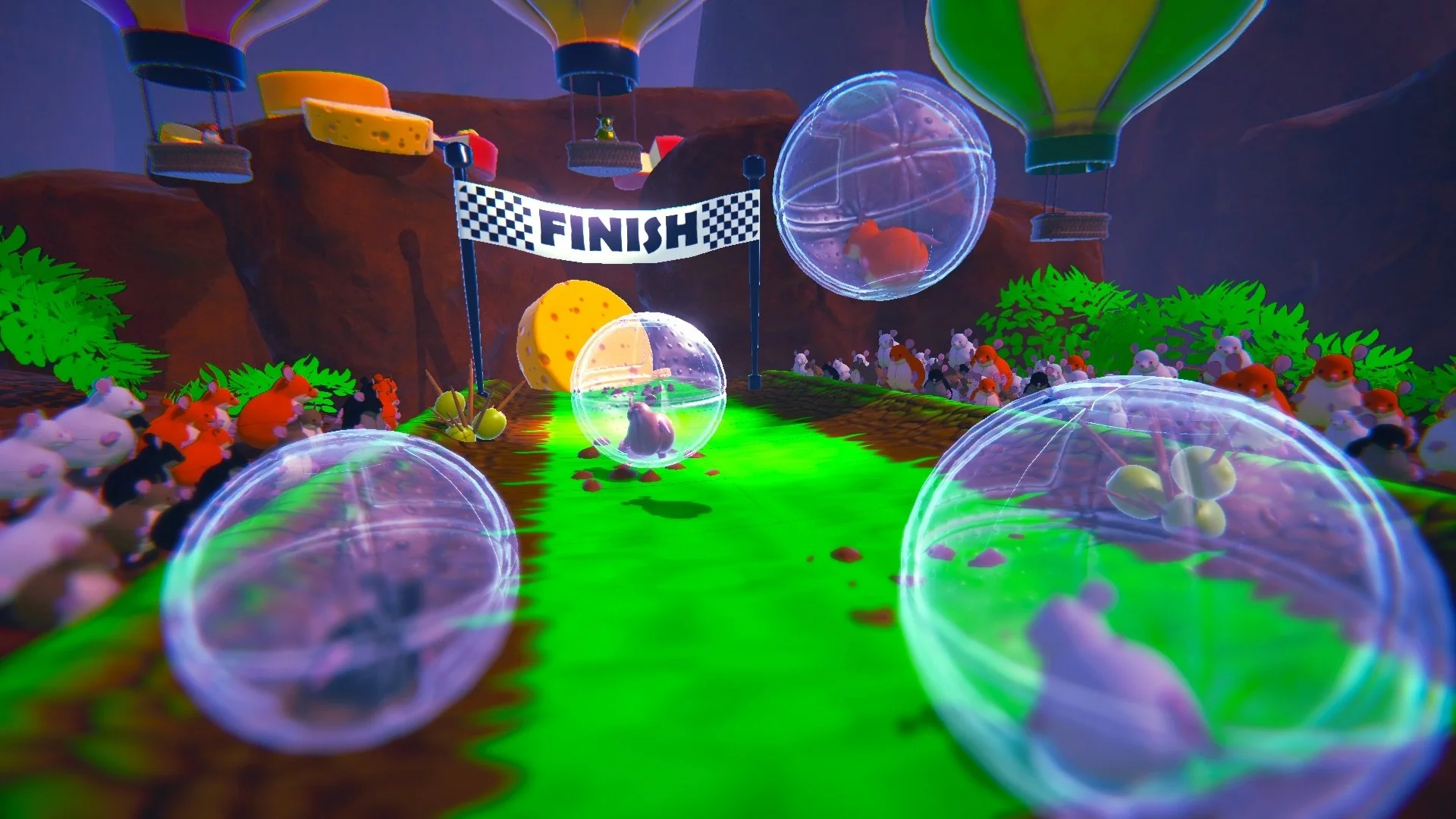
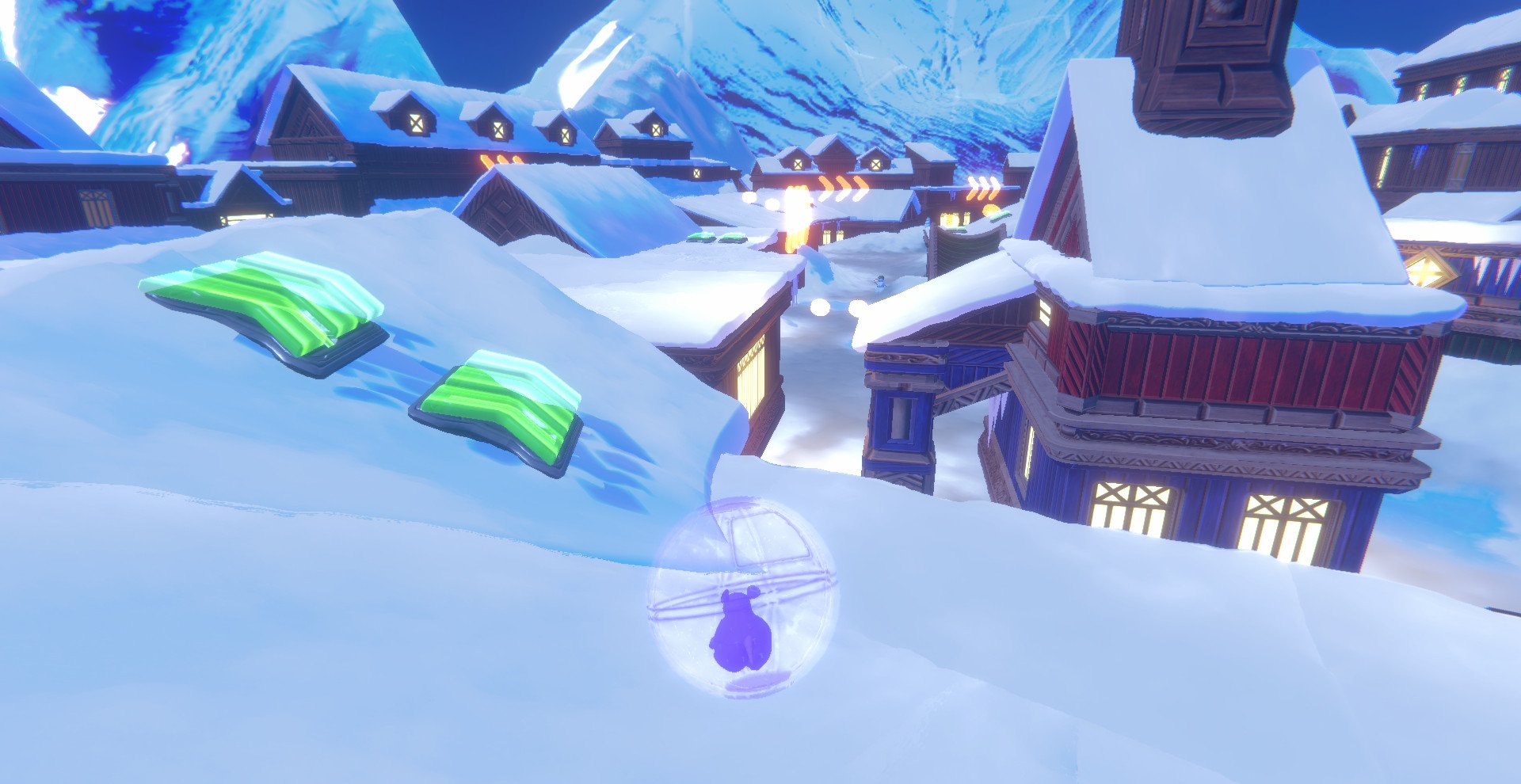
Originally made for the 2025 Global Game Jam, Rodent Rollers is a goofy party racing game where players tumble through silly, themed race tracks as a cute rodent in a zorb ball. Navigate absurd environments, comical hazards, and push your luck with risky shortcuts to be first to the finish. It features split-screen racing, physics-based foolishness and accessible marble racing controls.
My Contributions
A fun physics-based player controller
A traction system that uses textures to determine grip
Level interactables like speed boosts, vacuum pipes, and falling icicles
Item system for one-off powerups
Performant Sound Manager with object pooling
Four racetrack designs with interesting choices
Placement system that determines position compared to opponents
Accessibility options like input rebinding, text scaling, and volume
Checkpoint system
Save/load system
Marketing materials
Project plan, budget, and creative pitch deck submission for Screen Queensland and Screen Australia
Planning
‘Zorbing’ is something I’ve always wanted to do. It was the first place my mind went upon hearing the theme ‘Bubble’. The initial concept was simple - race down a hill in a zorb ball. As far as a game mechanic goes: it’s pure, kinetic fun.
We drew inspiration from Super Monkey Ball and Mario Kart as a thematic framing for the gameplay. Levels were vibrant and colorful with small characters inhabiting a big world. Rodents were chosen as our main characters because of the variety: rats, mice, capybaras, squirrels… (and because I personally find them cute).
I think there are some forms of fun that are inherent fun and Rodent Rollers uses this to it’s advantage. For example, going fast. No one tells kids they need to run everywhere they go but they do it anyway because it’s fun. In the same way, no one needs to explain what’s fun about our game. In a jam setting this is important as players aren’t willing to invest a whole lot of time learning a game that may or may not deliver on it’s promise.
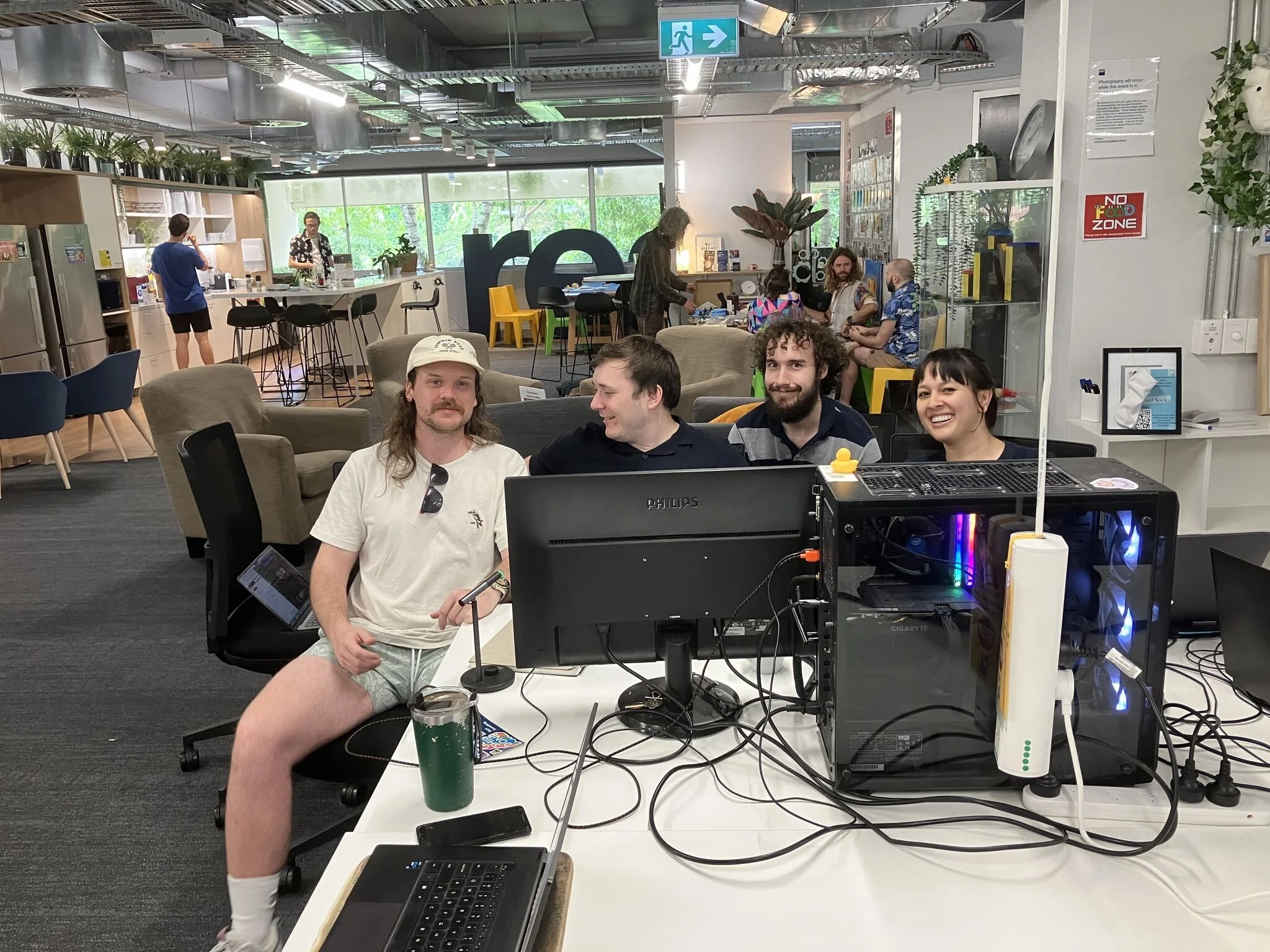
The initial prototype was complete in 48 hours. I feel proud of how well we delivered on the concept. We had a fun player controller, AI zorb opponents, cute art, and five short levels. We showed it to other developers, friends, and family and received positive feedback. We even had a number of people reach out to us after the event to show their support.
Development
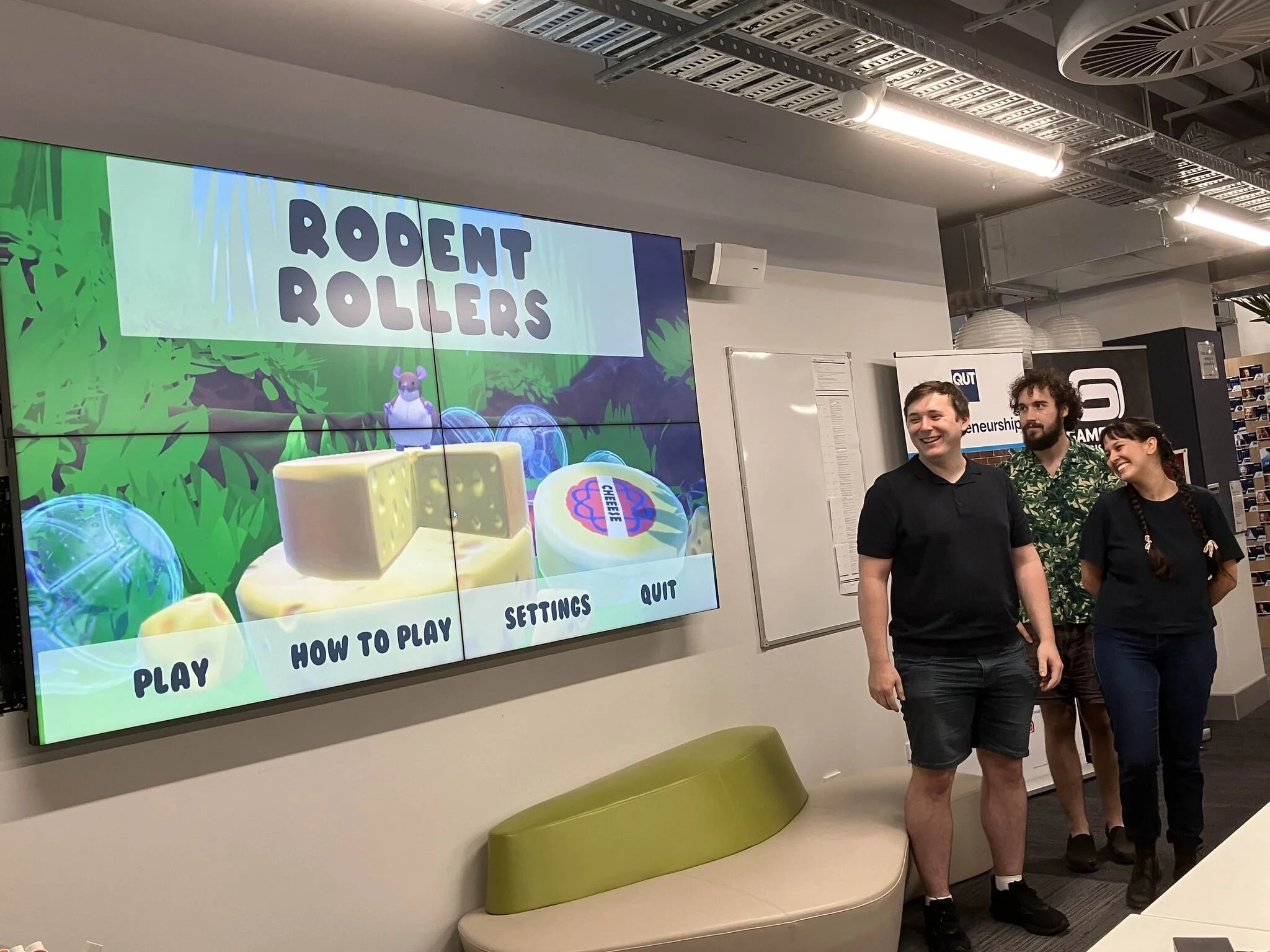
After the GGJ, we put Rodent Rollers to the side and continued prototyping other ideas. The Queensland Games Festival was coming up and because of the positive feedback, Jas submitted Rodent Rollers not expecting to get in. Well… We got in. Which was awesome! Then we realized we had two weeks to transform Rodent Rollers from a prototype to a vertical slice.
This time feels like a bit of a blur. The features we added included:
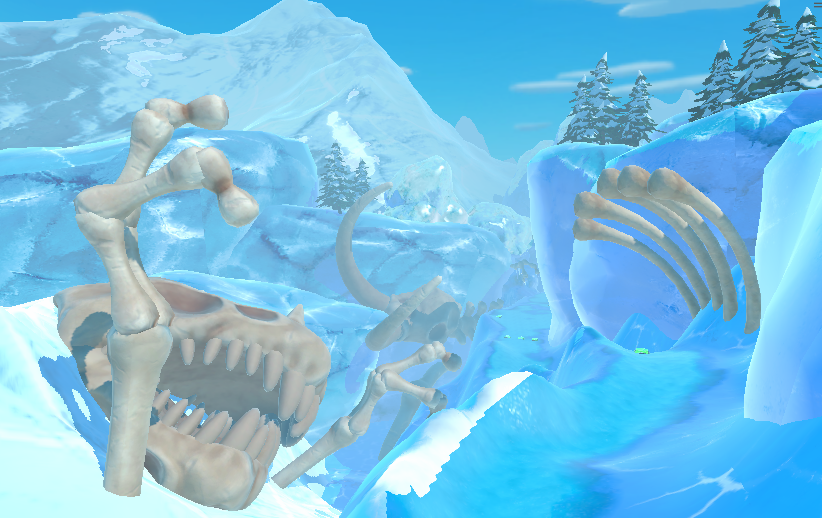
Local multiplayer, controller support, four completely new and polished levels, checkpoint system, audio, revamped victory screen, LOTS OF BUG FIXING AND REFACTORING TERRIBLE JAM CODE, post processing, revised UI, optimization, and more I’m sure I’m forgetting.
One of the most frustrating challenges I came across was ghost collisions. A ghost collision is when an object hits the wrong edge of a collider. This is due to the way collisions work in most physics engines. When an object penetrates a collider, an opposing force is applied to the object to push it out of the collider. This is usually followed by a downwards force like gravity pushing it back into the collider where the cycle then repeats. All of this is happening on a microscopic scale during the physics tick.
Usually this is fine, however, when the player traverses two colliders that are perfectly flush, occasionally the player can still be inside the first collider as it crosses the boundary between them. This means that instead of rolling smoothly across the colliders as you would expect, the player catches the edge of the second collider and bounces upwards. This is unacceptable for a racing game and feels very unfair.
The solution came after digging deep into Unity forums, documentation and YouTube where I found an amazing video by Llama Academy ‘How to Avoid Ghost Collisions’. I tweaked the physics engine by reducing the physics step, reduced default contact offset, combined meshes where possible, and used discrete collision detection. This resolved the issue without introducing any new bugs, so despite the warning from Unity, we kept the changes.
After QGF, the Screen Queensland and Screen Australia grants were fast approaching. We were well received by the public and felt that Rodent Rollers could be a strong submission, so I set to work writing our grant in addition to continuing development. I created a pitch deck, budget, and project plan (which you can view by following the links). I spoke to many mentors from the industry while making our materials. Unfortunately, Rodent Rollers was unsuccessful but it was a good learning experience nonetheless. We got feedback from the funding bodies and used it to improve our future submissions.
Rodent Rollers was invited to a few other events like the Zed Games Indie Dev Night. Due to a lack of funding, we’ve decided to shelve the full project pending public reception but still complete and publish the vertical slice.
Outcomes
Released on Itch.io.
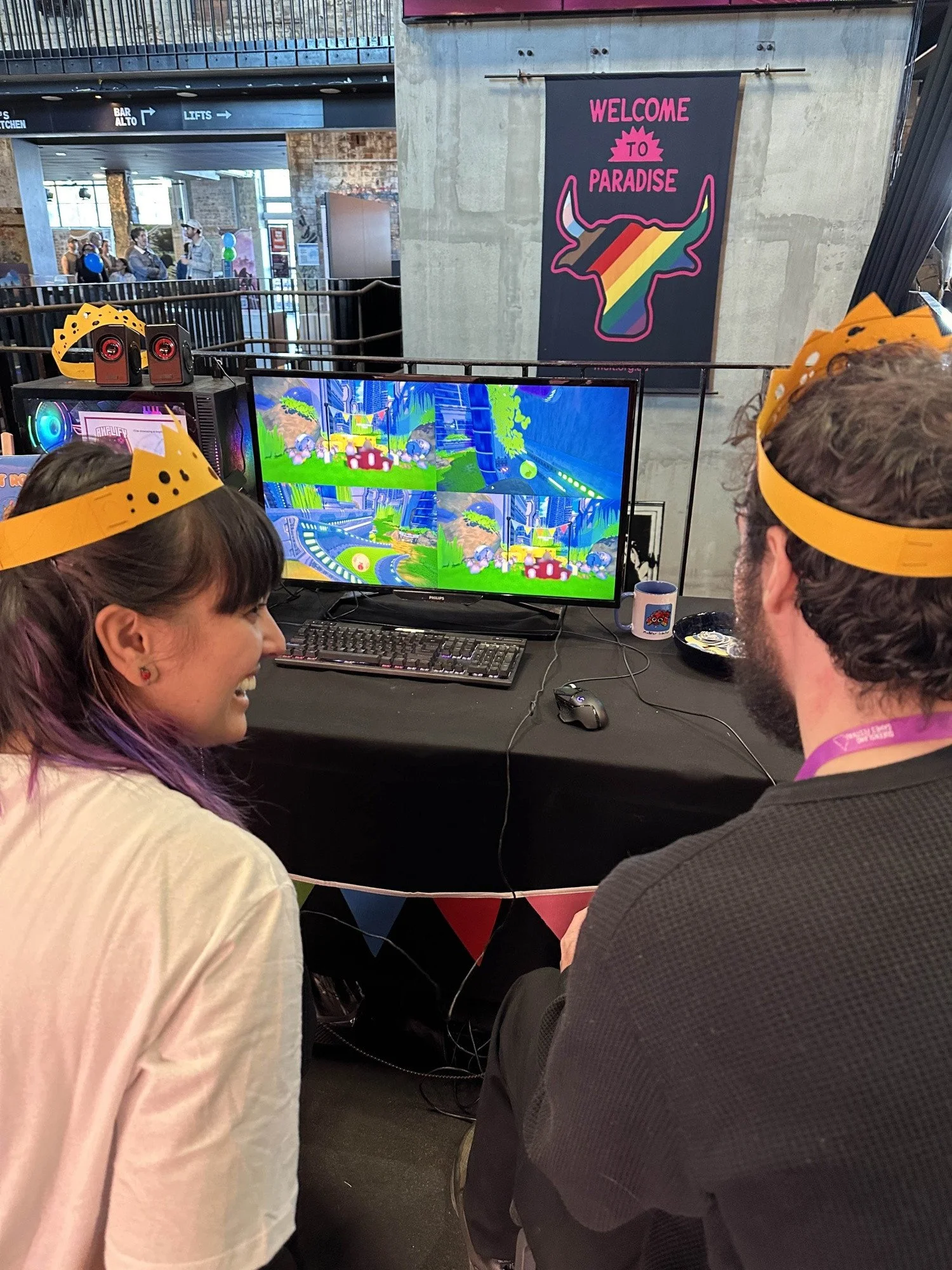
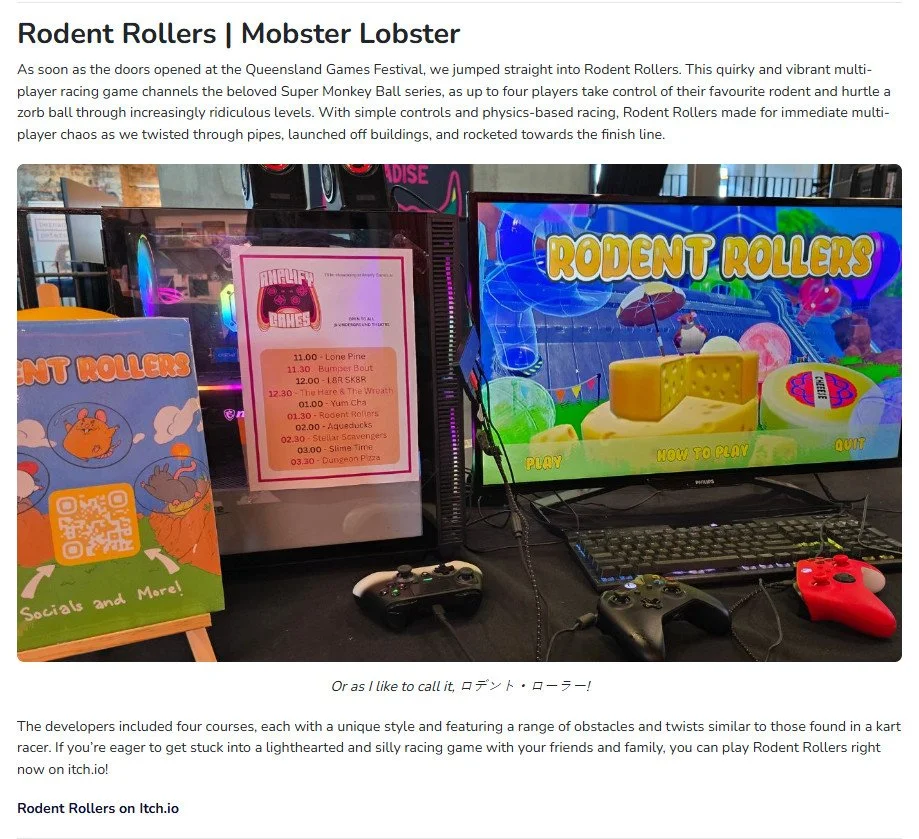
Showcased at Queensland Games Festival
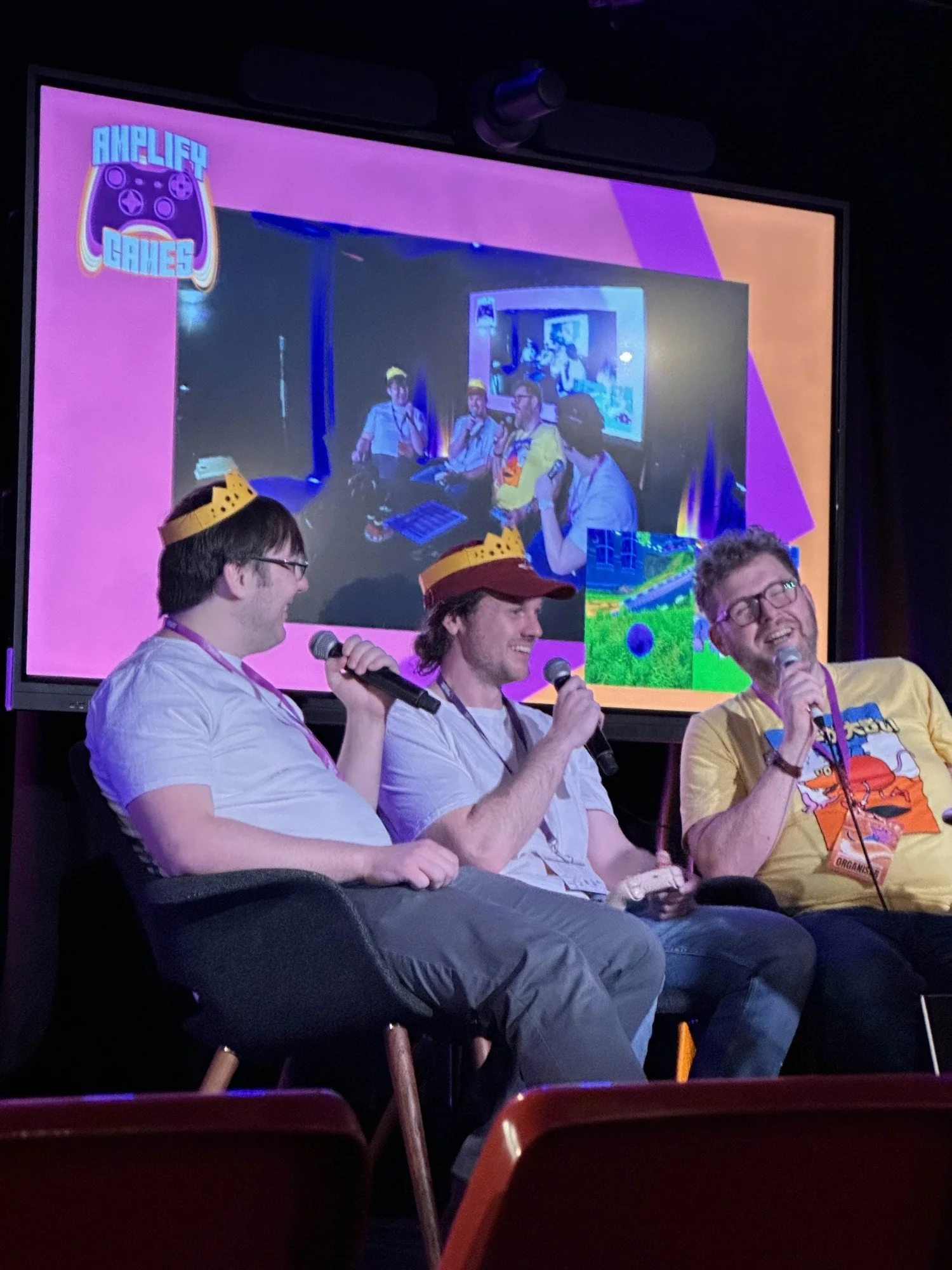
Showcased at Netherworld Indie Dev Night
Reviewed by Games Journalist Qualbert
Pitch deck, in-depth project plan and budget
Marketing content for our socials